# go-echarts
**Repository Path**: yeanleo/go-echarts
## Basic Information
- **Project Name**: go-echarts
- **Description**: No description available
- **Primary Language**: Unknown
- **License**: MIT
- **Default Branch**: master
- **Homepage**: None
- **GVP Project**: No
## Statistics
- **Stars**: 0
- **Forks**: 0
- **Created**: 2024-03-08
- **Last Updated**: 2024-03-08
## Categories & Tags
**Categories**: Uncategorized
**Tags**: None
## README

go-echarts
🎨 The adorable charts library for Golang.






> If a language can be used to build web scrapers, it definitely needs to provide a graceful data visualization
> library. --- by dongdong.
In the Golang ecosystem, there are not many choices for data visualization libraries.
The development of [go-echarts](https://github.com/go-echarts/go-echarts) aims to
provide a simple yet powerful data visualization library for Golang.
[Apache ECharts](https://echarts.apache.org/) is an awesome charting and visualization library,
it supports adorable chart types and various interactive features.
and there have many program languages interactive with Echarts, such as [pyecharts](https://github.com/pyecharts/pyecharts),
which `go-echarts` learns and has evolved a lot from.
[中文 README](README_CN.md)
### 🔰 Installation
Classic way to get go-echarts
```shell
# this may be not a good choice to use v2 go-echarts without gomod(GO111MODULE=off), the
# next generation version management system
# Technically, you could use go-echarts in the way below, if you have a better workaround, please let us know....
$ go get -u github.com/go-echarts/go-echarts/...
$ cd $go-echarts-project
$ mkdir v2 && mv charts components datasets opts render templates types v2
```
Use gomod style
```shell
$ go get -u github.com/go-echarts/go-echarts/v2/...
```
OR
```shell
# go.mod
require github.com/go-echarts/go-echarts/v2
```
### ⏳ Version
The go-echarts project is being developed under v2 version and the active codebase is on the master branch.
v1 and v2 are incompatible which means that you cannot upgrade go-echarts from v1 to v2 smoothly. But I think it is
worth trying that new version.
Especially, when there contains mino changes (usually in enhancement), we will release the `rc` version before a
standard release.
So, if you upgrade your projects cross the `rc` versions, maybe need little adjust, and I believe it is worthy to do.
### ✨ Features
* Clean and comprehensive API.
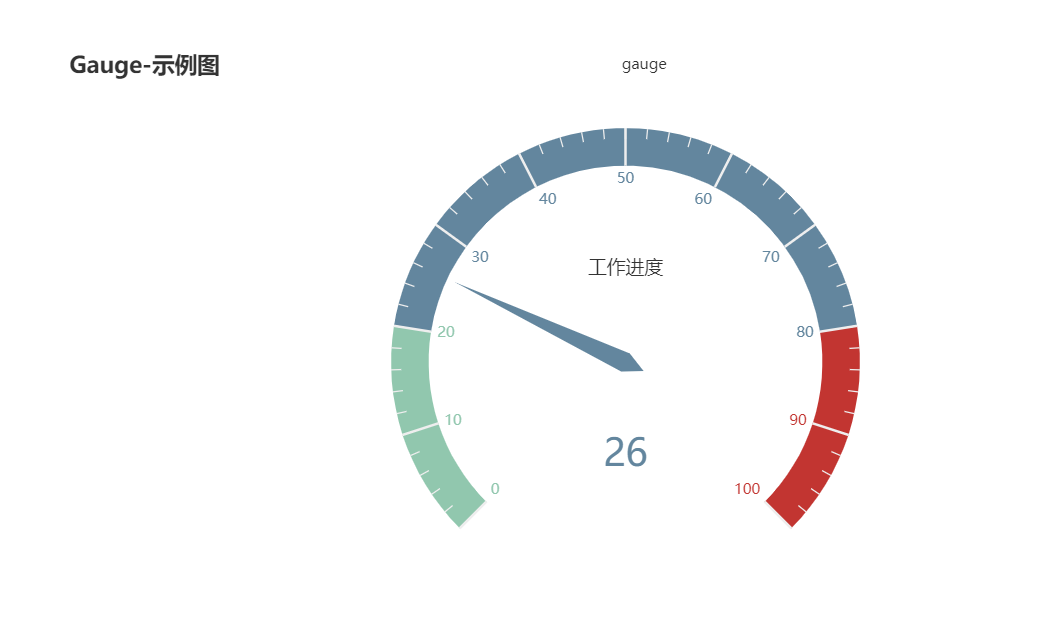
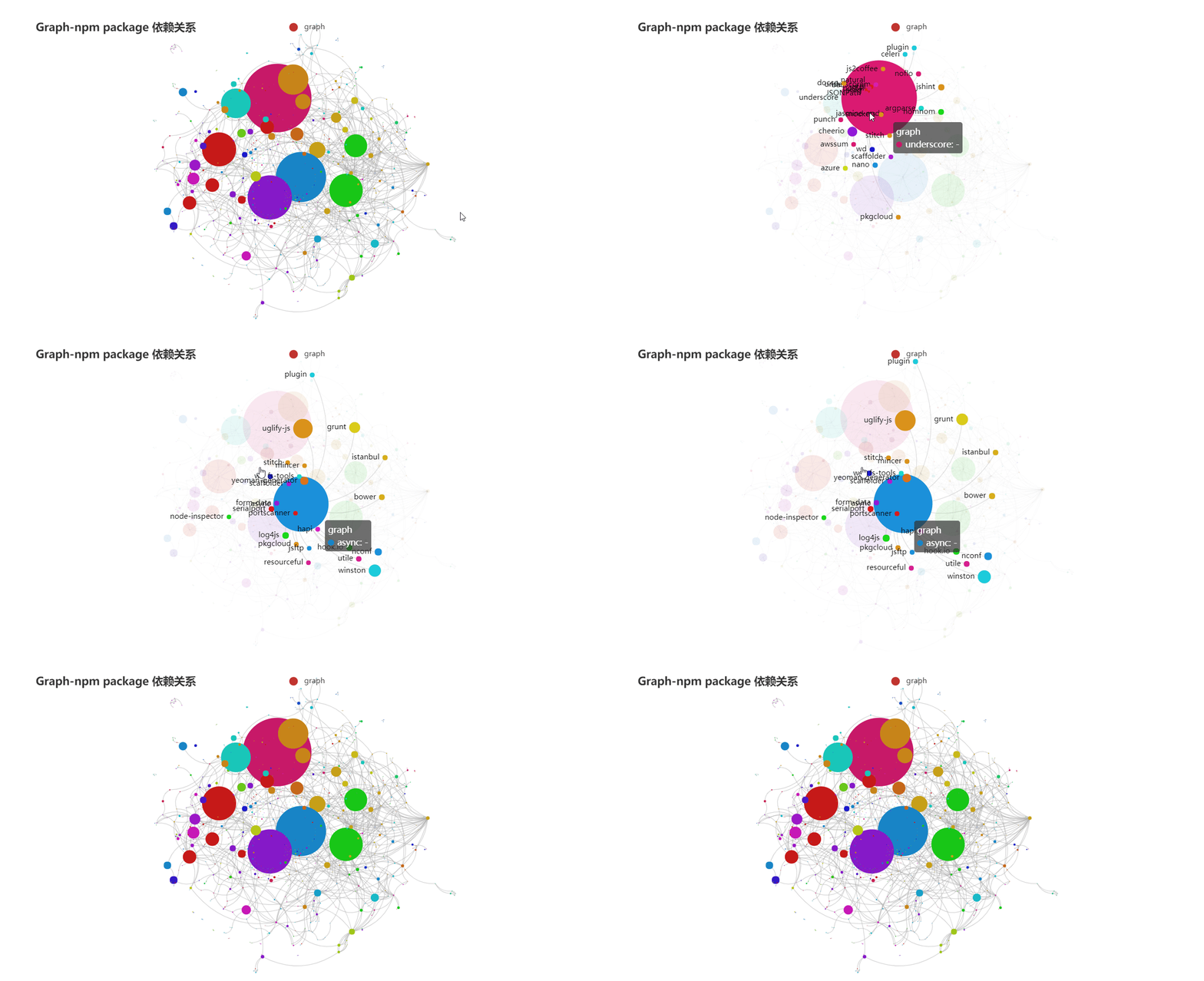
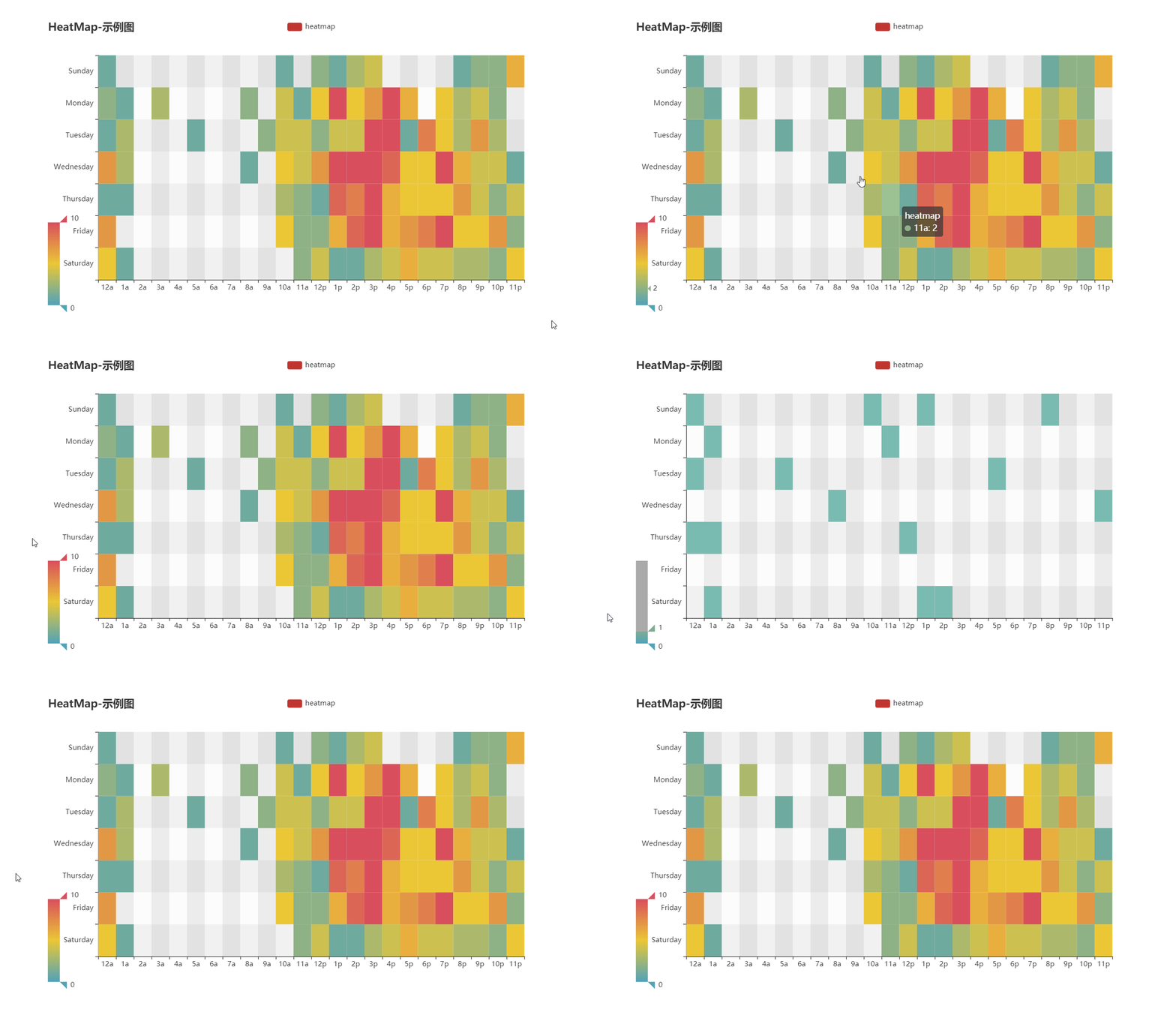
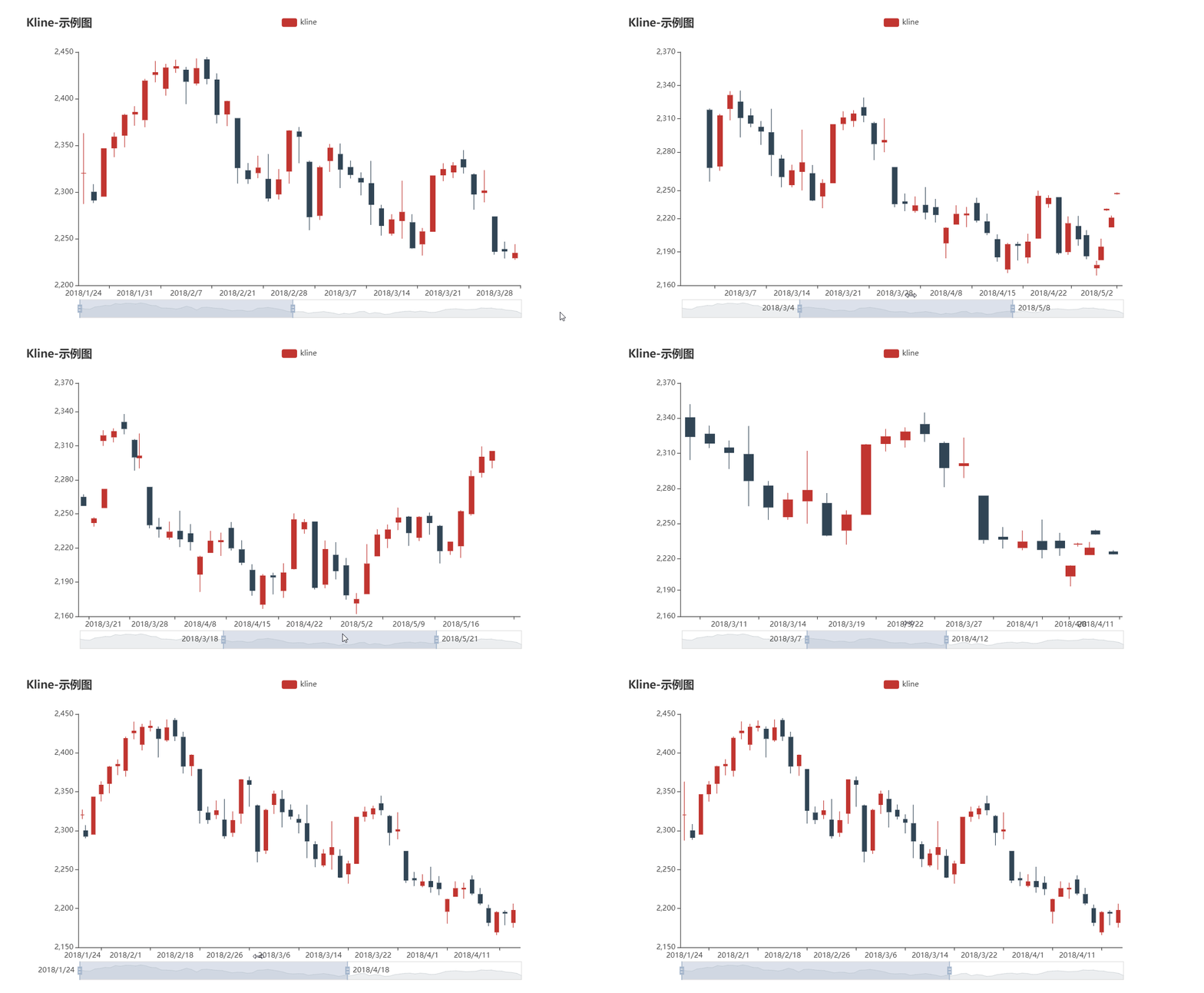
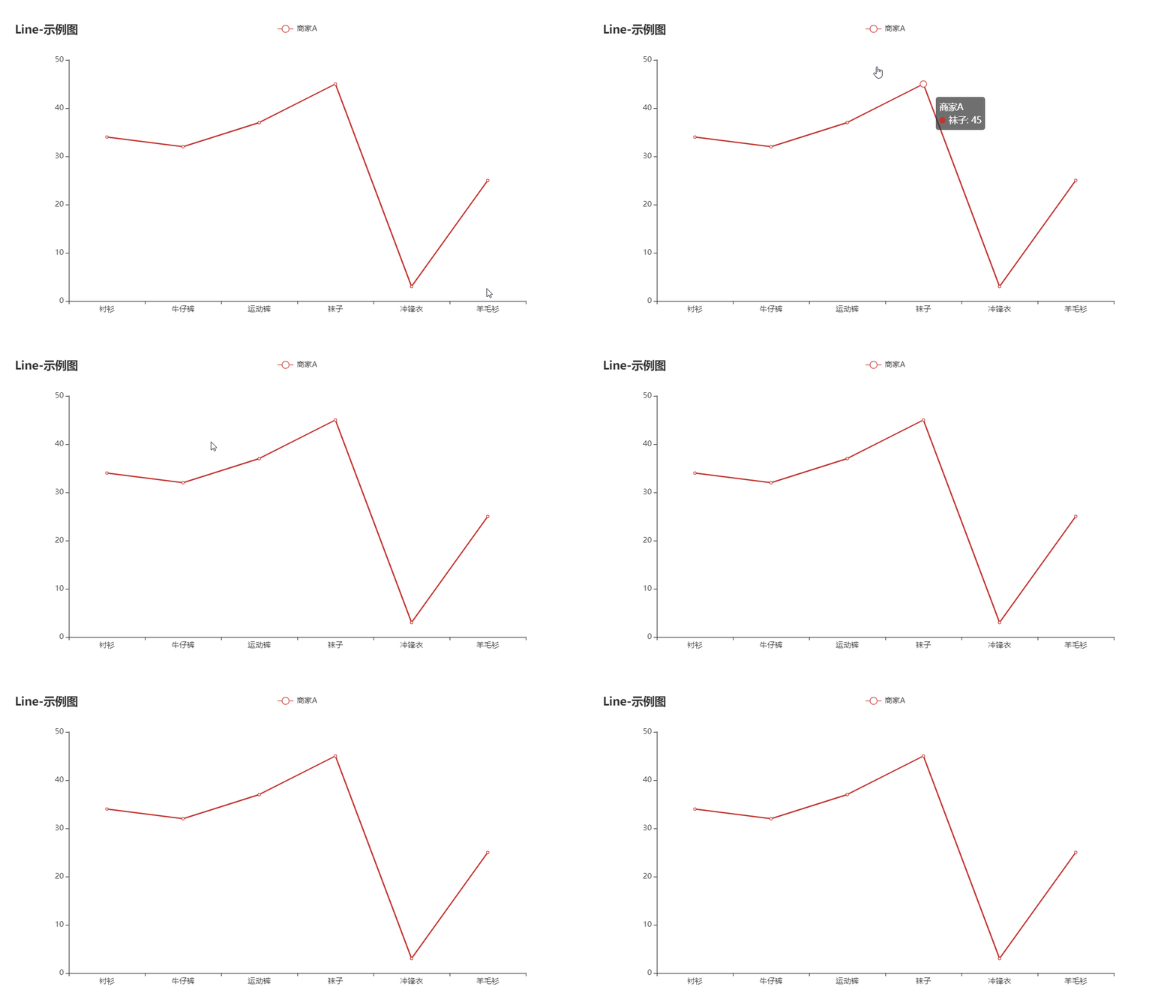
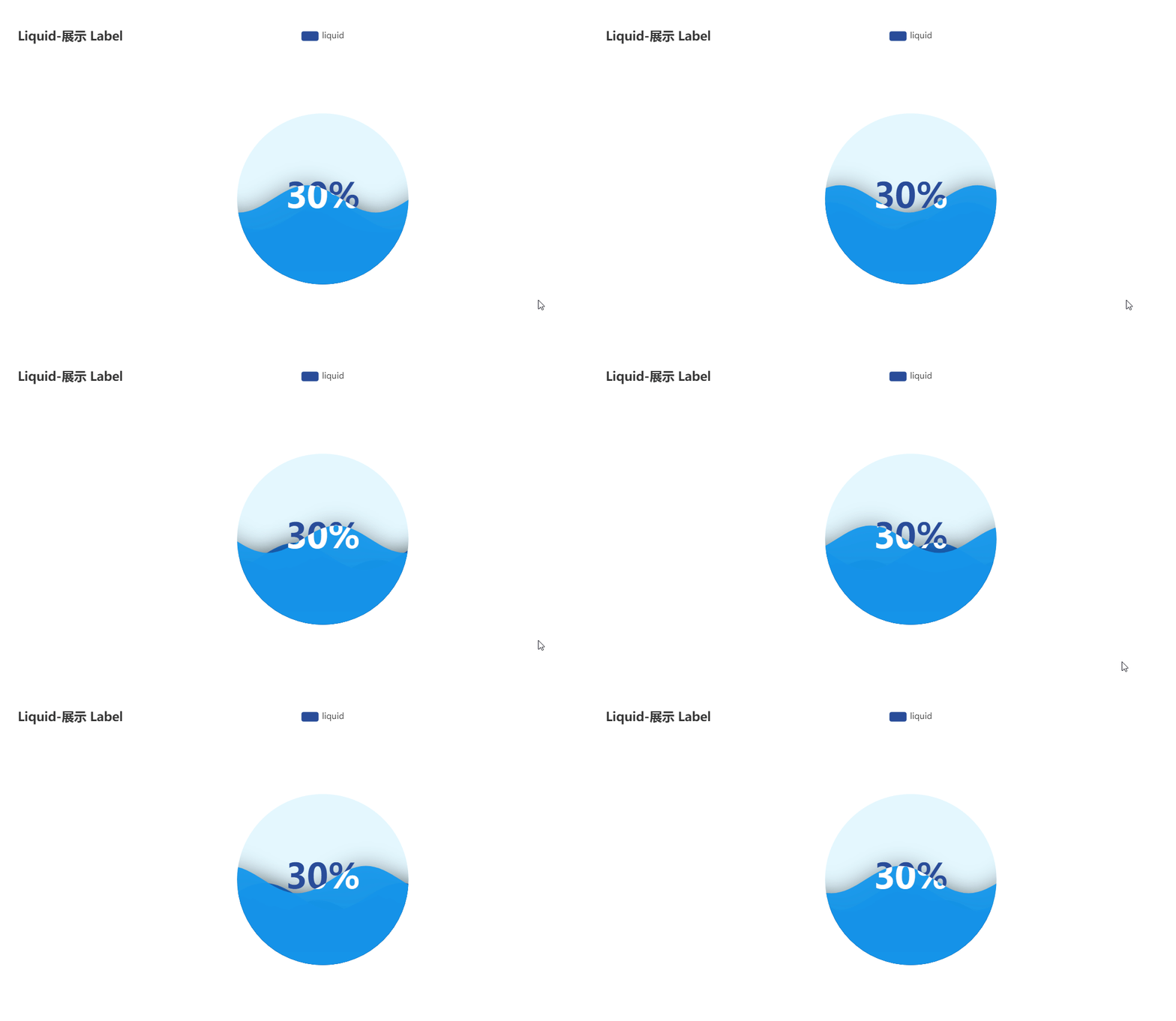
* Visualize your data in 25+ different ways.
* Highly configurable chart options.
* Detailed documentation and a rich collection of examples.
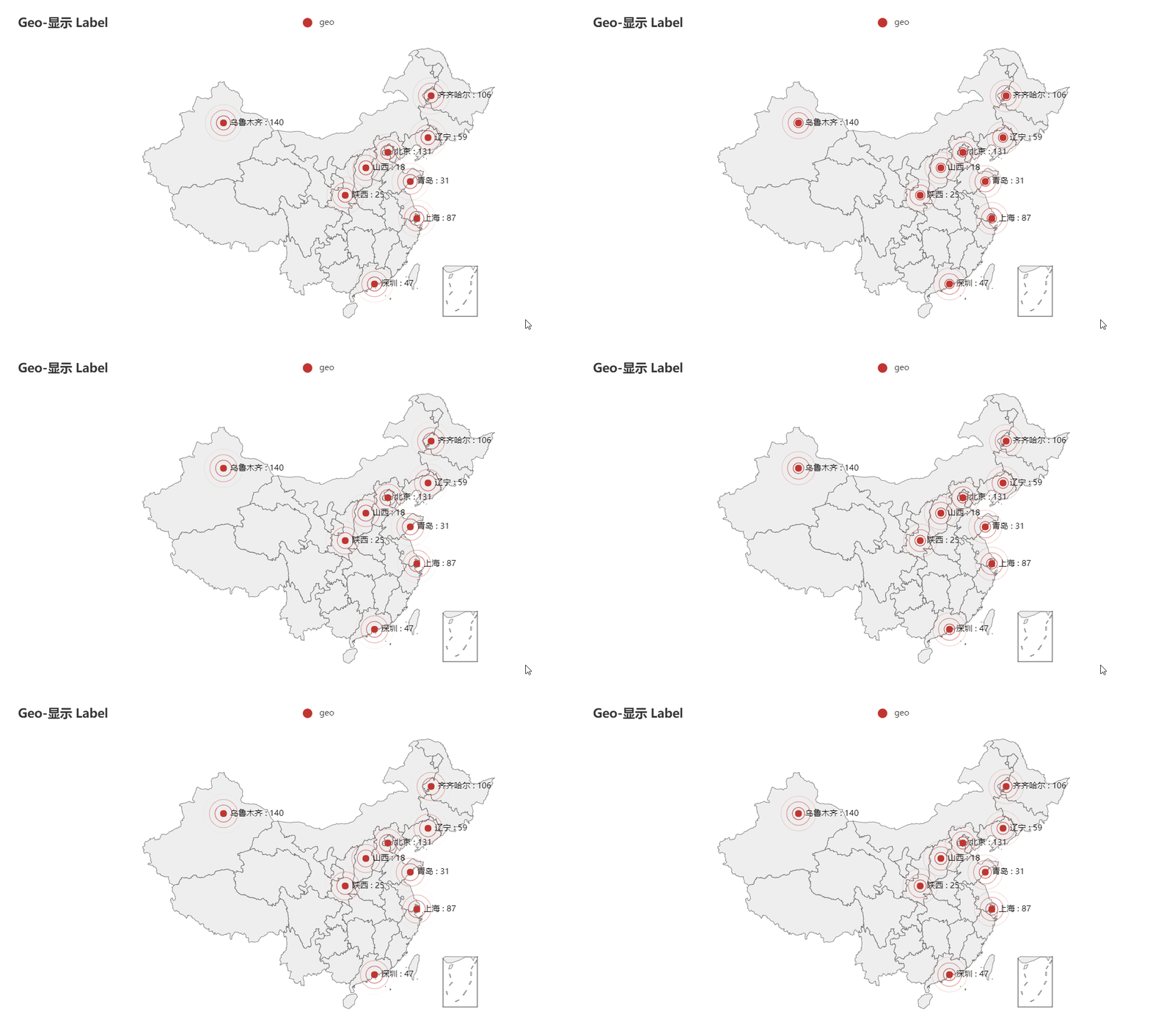
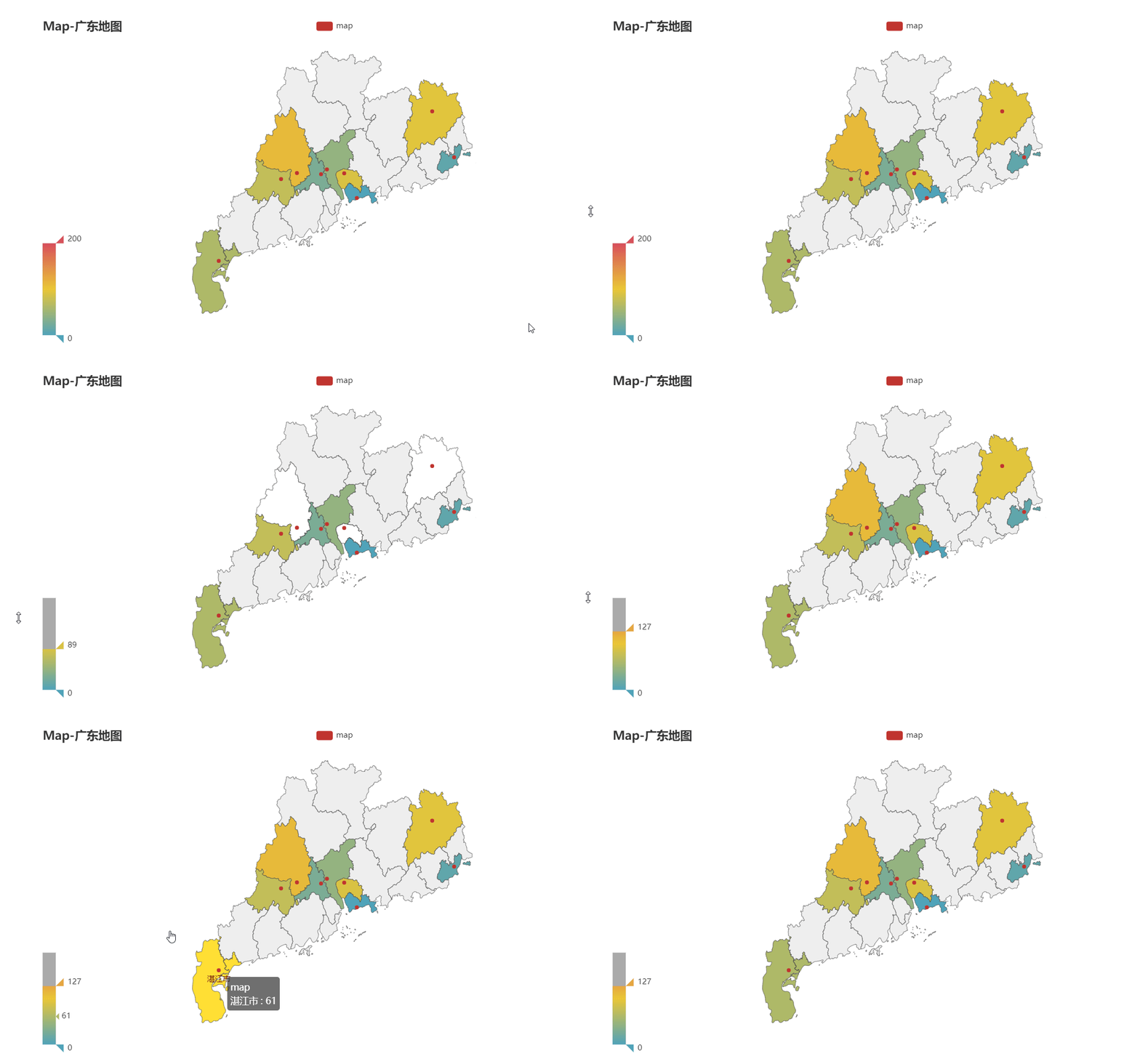
* Visualize your geographical data with 400+ maps.
### 📝 Usage
It's easy to get started with go-echarts with the [handbook](https://go-echarts.github.io/go-echarts), [go-echarts/examples](https://github.com/go-echarts/examples)
and [GoDocs](https://pkg.go.dev/github.com/go-echarts/go-echarts/v2).
In this example, we create a simple bar chart with only a few lines of code.
```golang
package main
import (
"math/rand"
"os"
"github.com/go-echarts/go-echarts/v2/charts"
"github.com/go-echarts/go-echarts/v2/opts"
)
// generate random data for bar chart
func generateBarItems() []opts.BarData {
items := make([]opts.BarData, 0)
for i := 0; i < 7; i++ {
items = append(items, opts.BarData{Value: rand.Intn(300)})
}
return items
}
func main() {
// create a new bar instance
bar := charts.NewBar()
// set some global options like Title/Legend/ToolTip or anything else
bar.SetGlobalOptions(charts.WithTitleOpts(opts.Title{
Title: "My first bar chart generated by go-echarts",
Subtitle: "It's extremely easy to use, right?",
}))
// Put data into instance
bar.SetXAxis([]string{"Mon", "Tue", "Wed", "Thu", "Fri", "Sat", "Sun"}).
AddSeries("Category A", generateBarItems()).
AddSeries("Category B", generateBarItems())
// Where the magic happens
f, _ := os.Create("bar.html")
bar.Render(f)
}
```
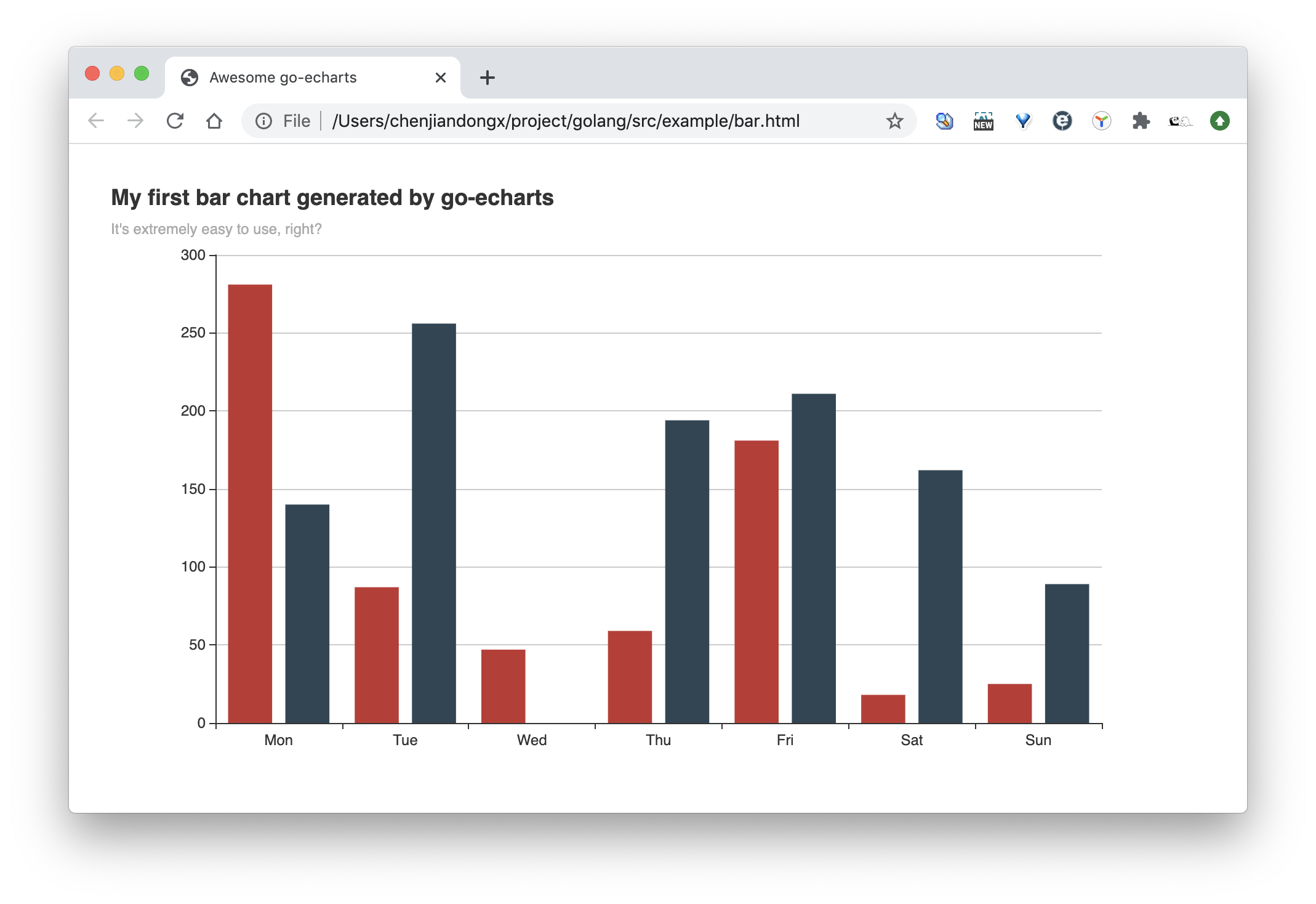
And the generated bar.html is rendered as below. Isn't that cool!
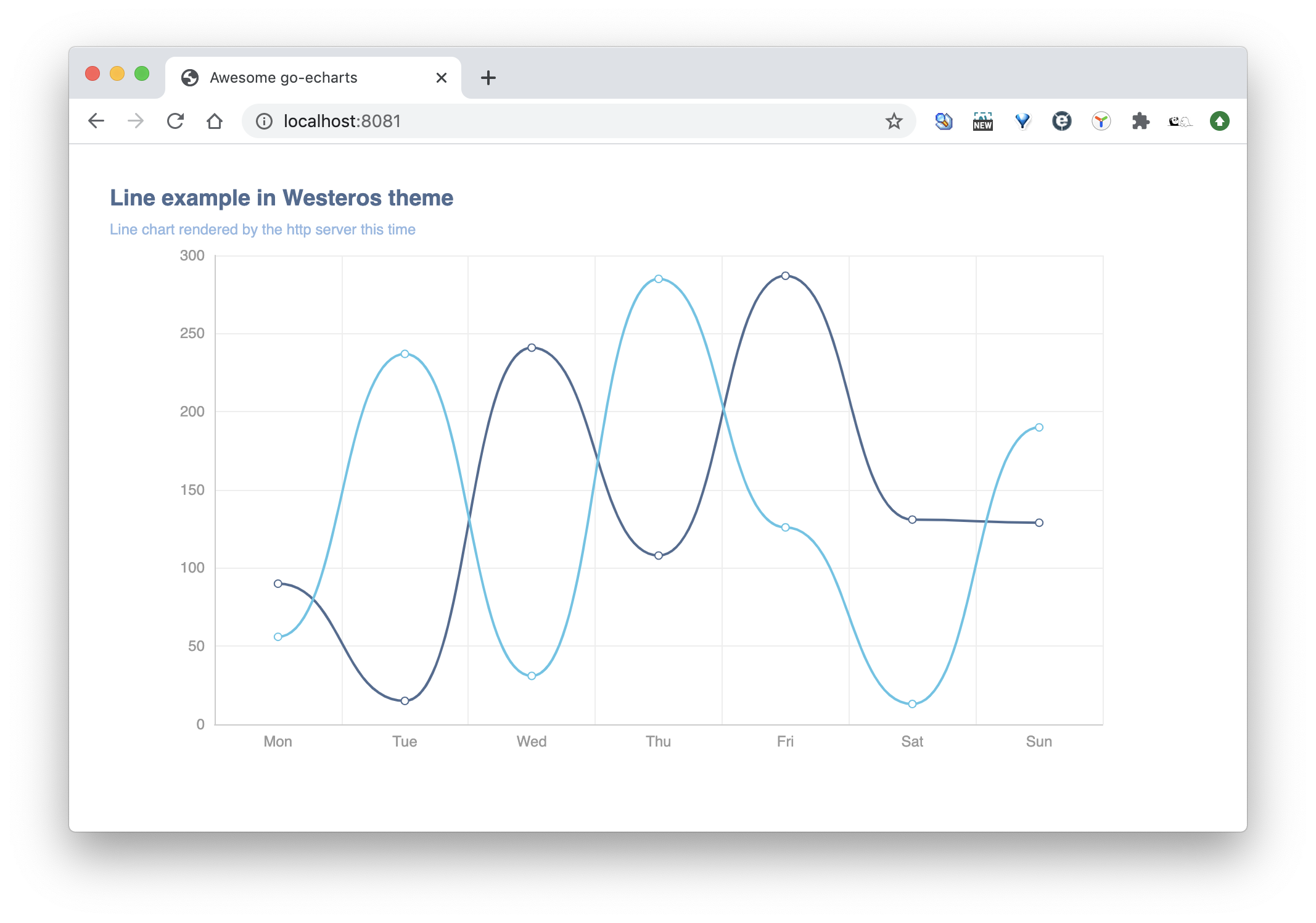
Of course we can also start a listening web server with net/http.
```golang
package main
import (
"math/rand"
"net/http"
"github.com/go-echarts/go-echarts/v2/charts"
"github.com/go-echarts/go-echarts/v2/opts"
"github.com/go-echarts/go-echarts/v2/types"
)
// generate random data for line chart
func generateLineItems() []opts.LineData {
items := make([]opts.LineData, 0)
for i := 0; i < 7; i++ {
items = append(items, opts.LineData{Value: rand.Intn(300)})
}
return items
}
func httpserver(w http.ResponseWriter, _ *http.Request) {
// create a new line instance
line := charts.NewLine()
// set some global options like Title/Legend/ToolTip or anything else
line.SetGlobalOptions(
charts.WithInitializationOpts(opts.Initialization{Theme: types.ThemeWesteros}),
charts.WithTitleOpts(opts.Title{
Title: "Line example in Westeros theme",
Subtitle: "Line chart rendered by the http server this time",
}))
// Put data into instance
line.SetXAxis([]string{"Mon", "Tue", "Wed", "Thu", "Fri", "Sat", "Sun"}).
AddSeries("Category A", generateLineItems()).
AddSeries("Category B", generateLineItems()).
SetSeriesOptions(charts.WithLineChartOpts(opts.LineChart{Smooth: true}))
line.Render(w)
}
func main() {
http.HandleFunc("/", httpserver)
http.ListenAndServe(":8081", nil)
}
```
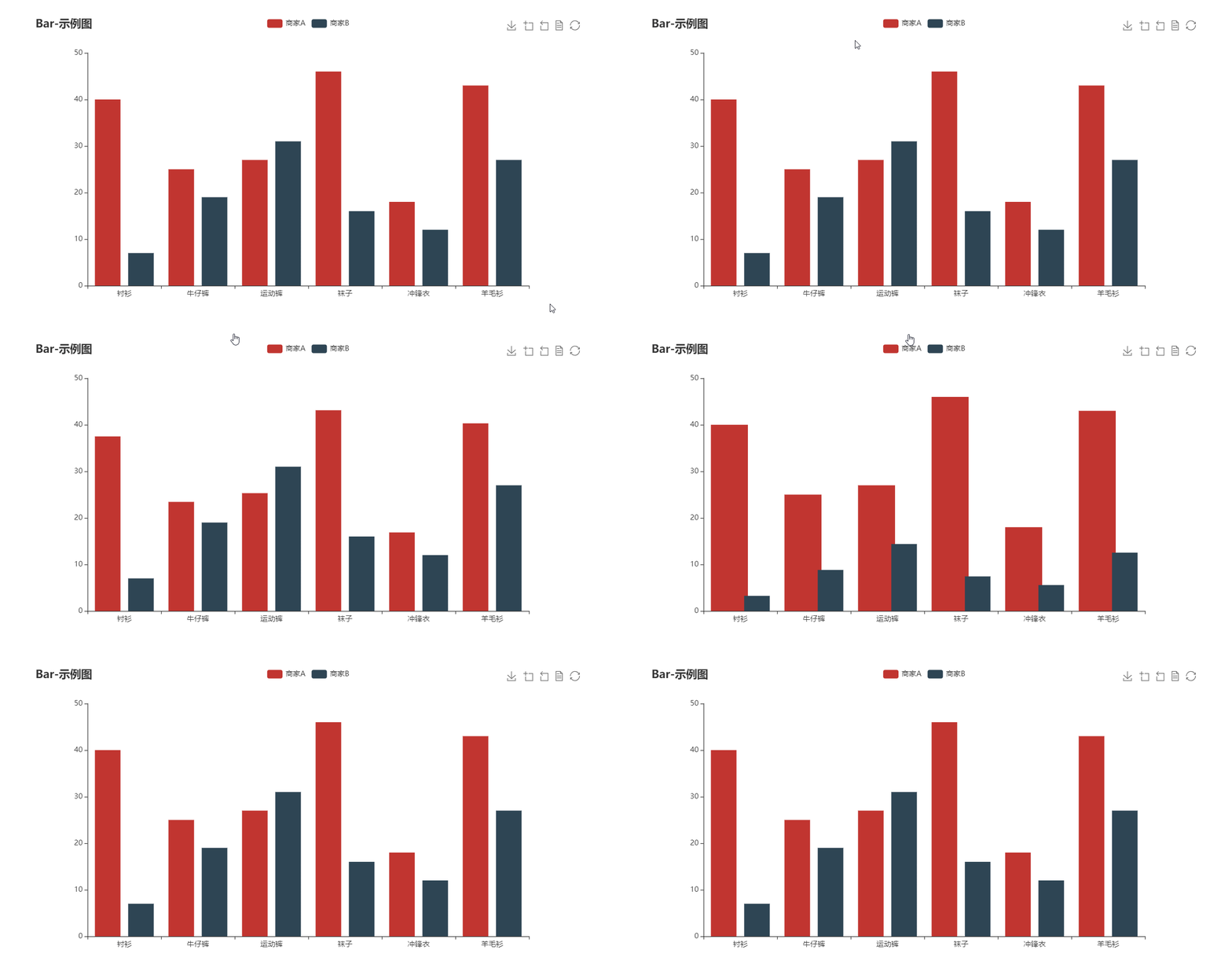
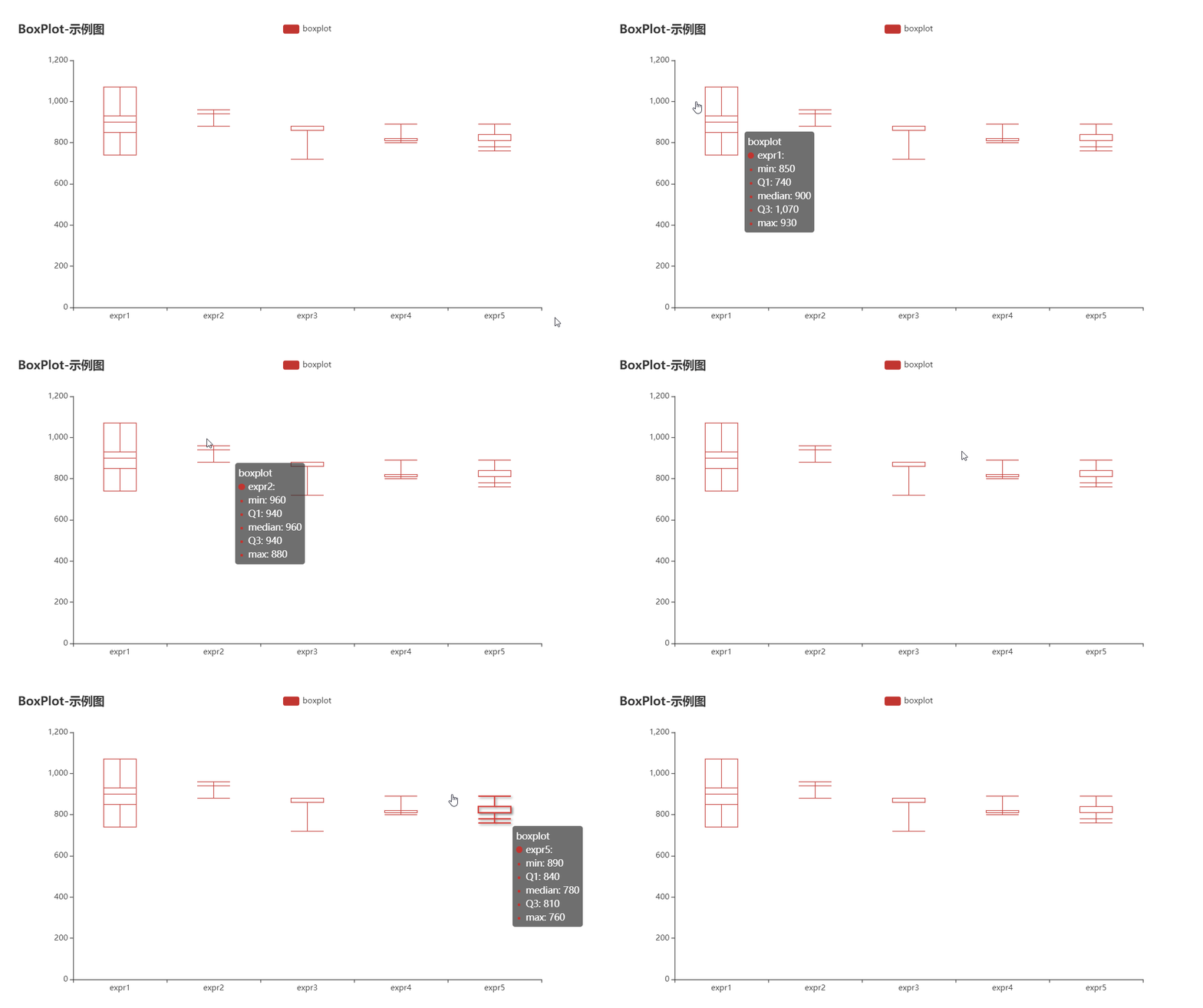
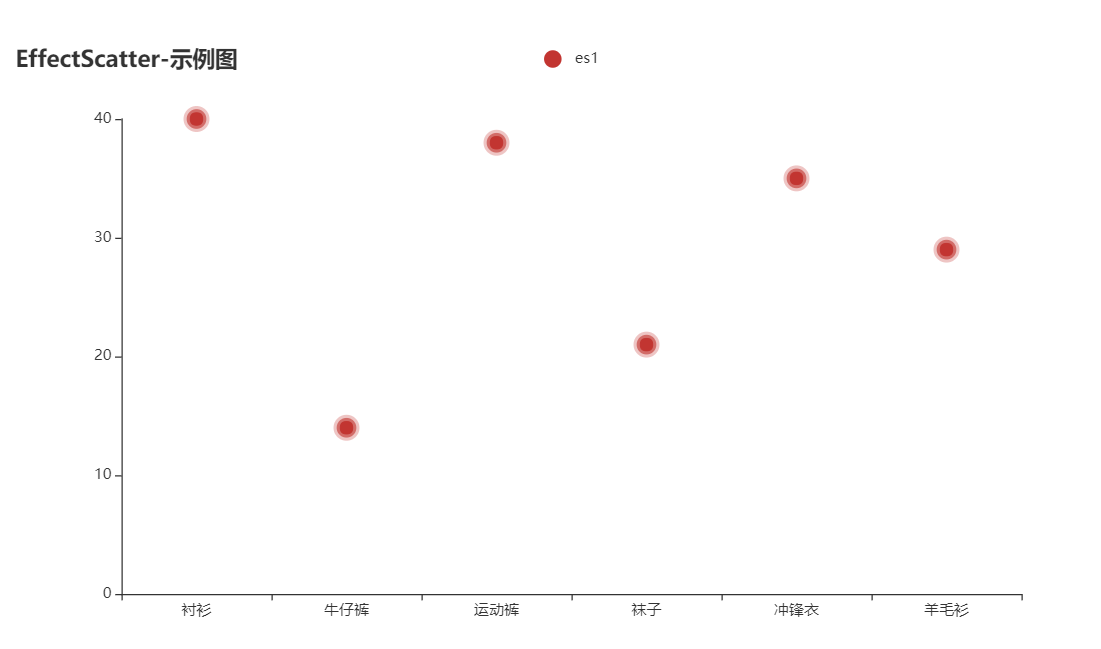
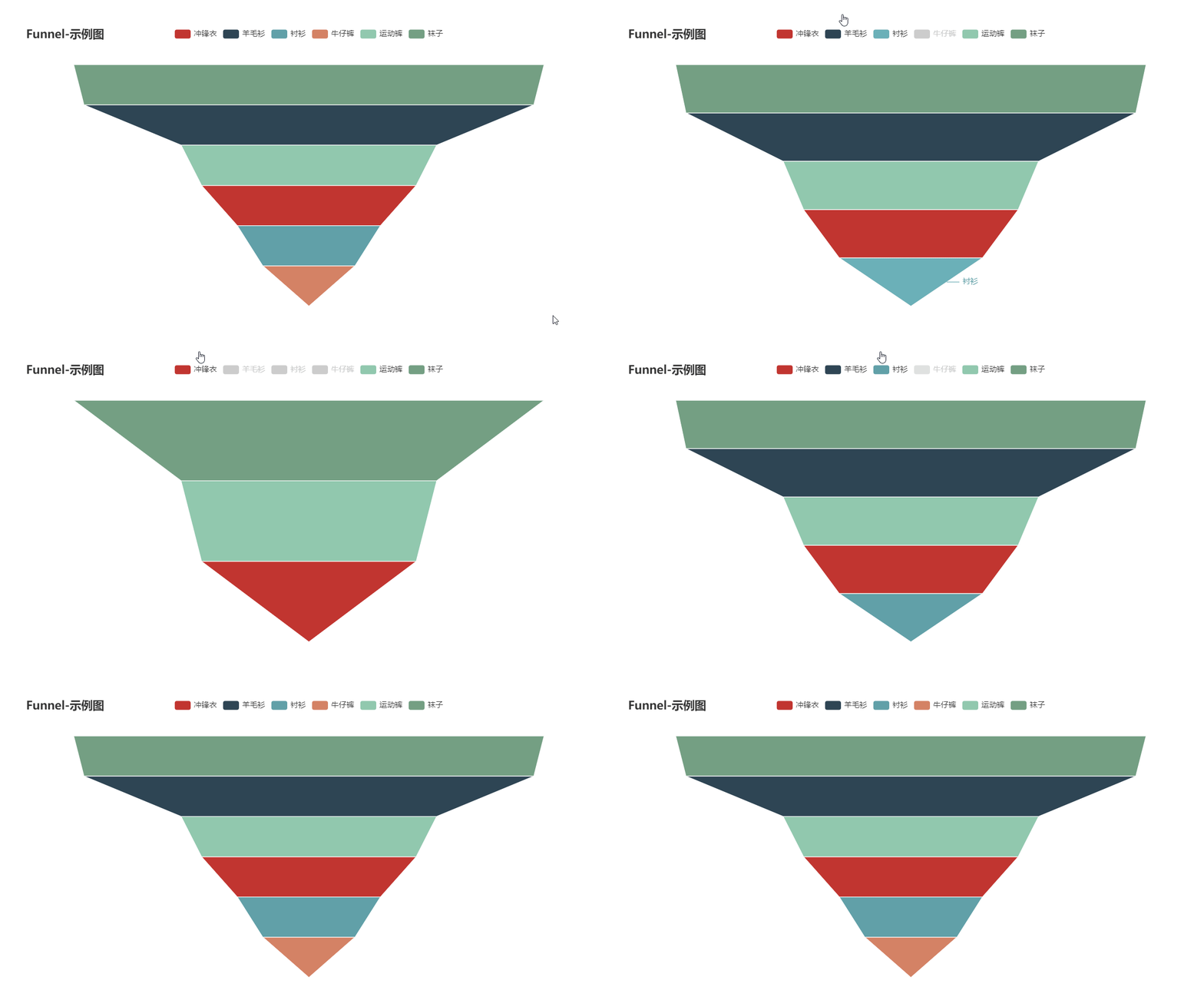
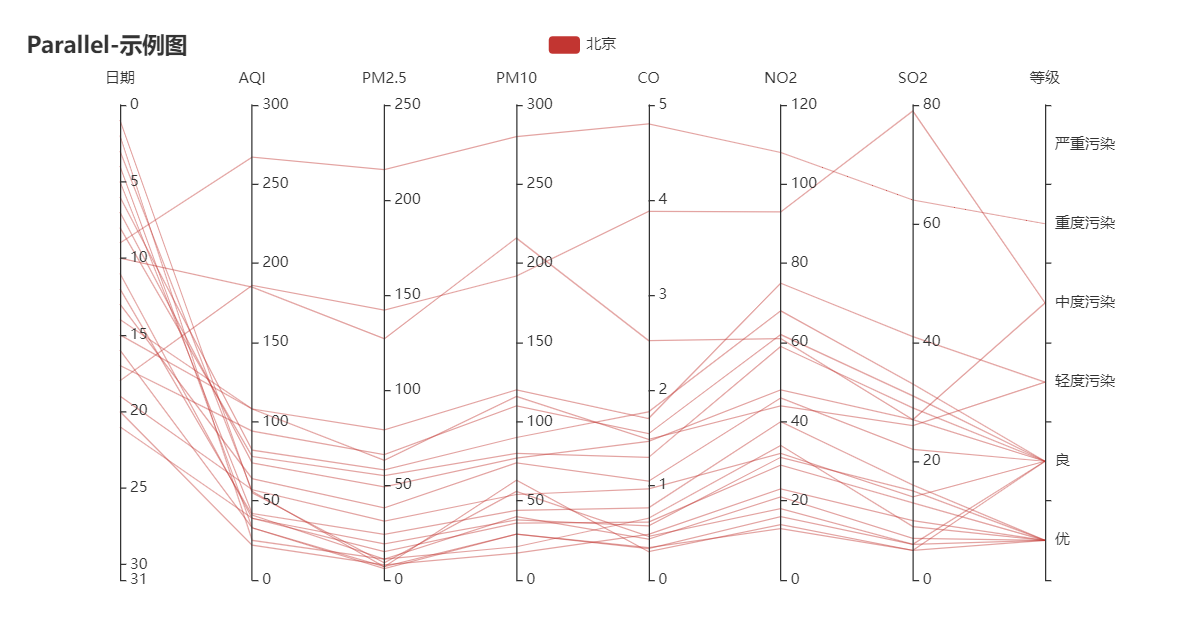
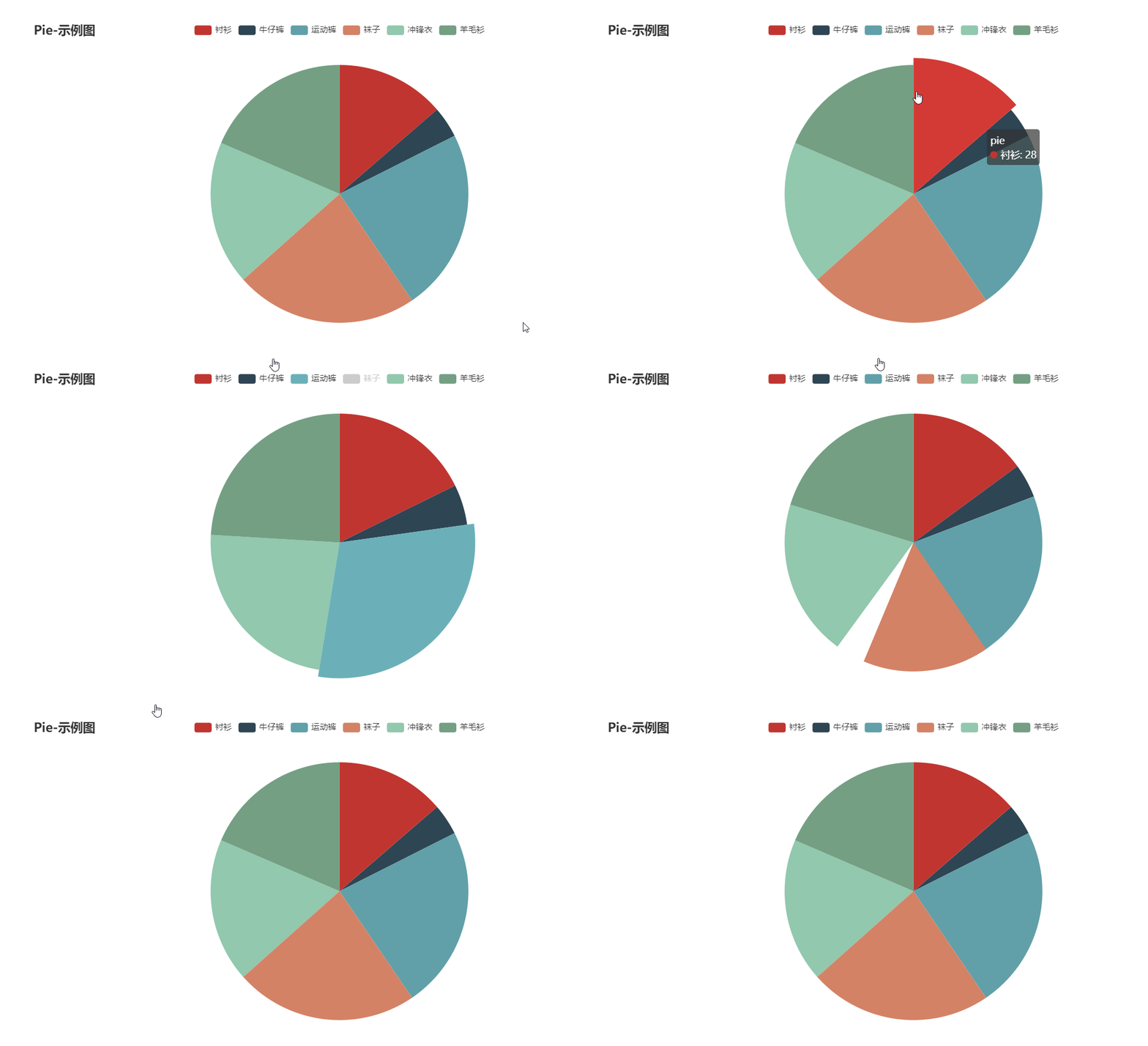
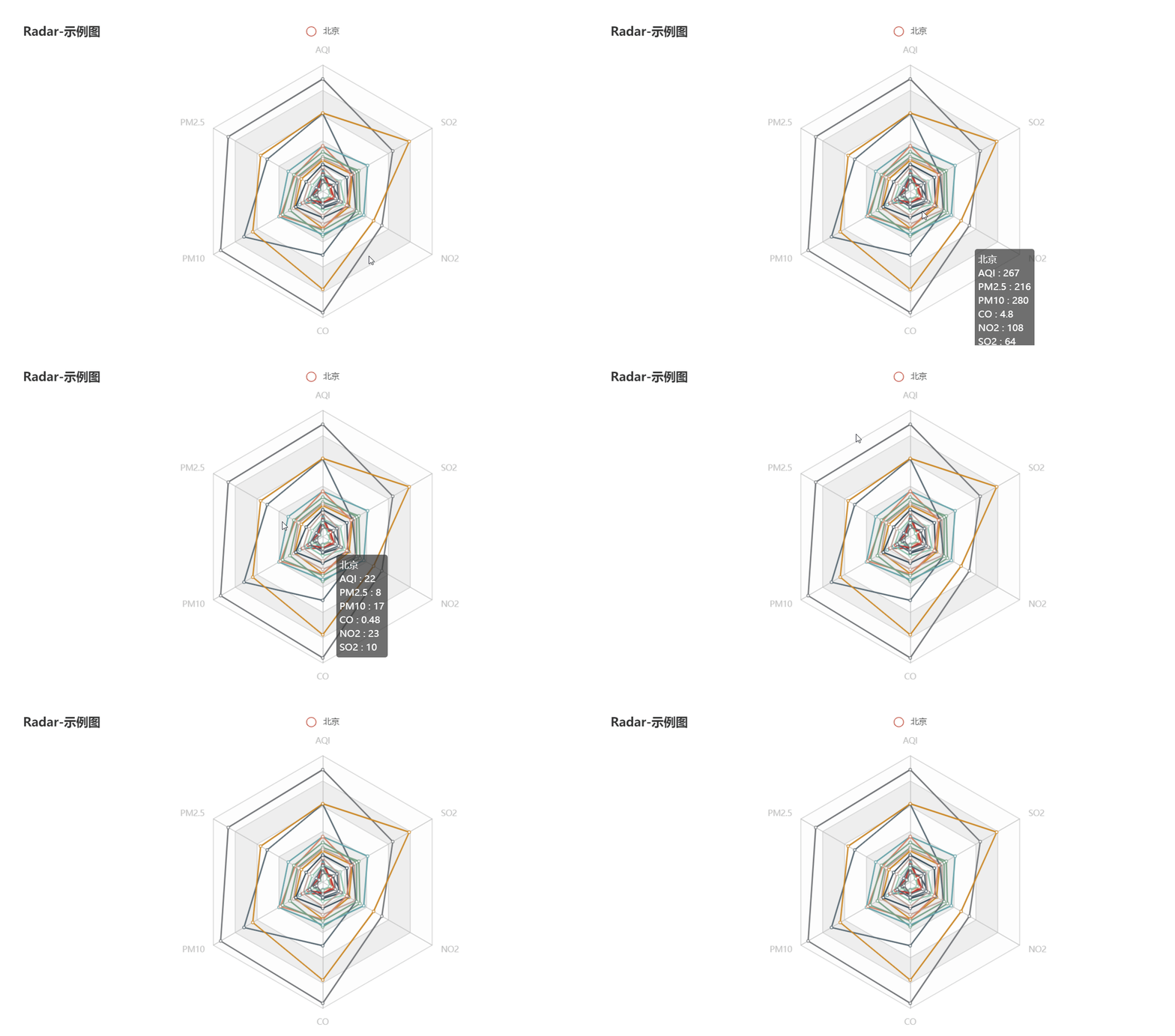
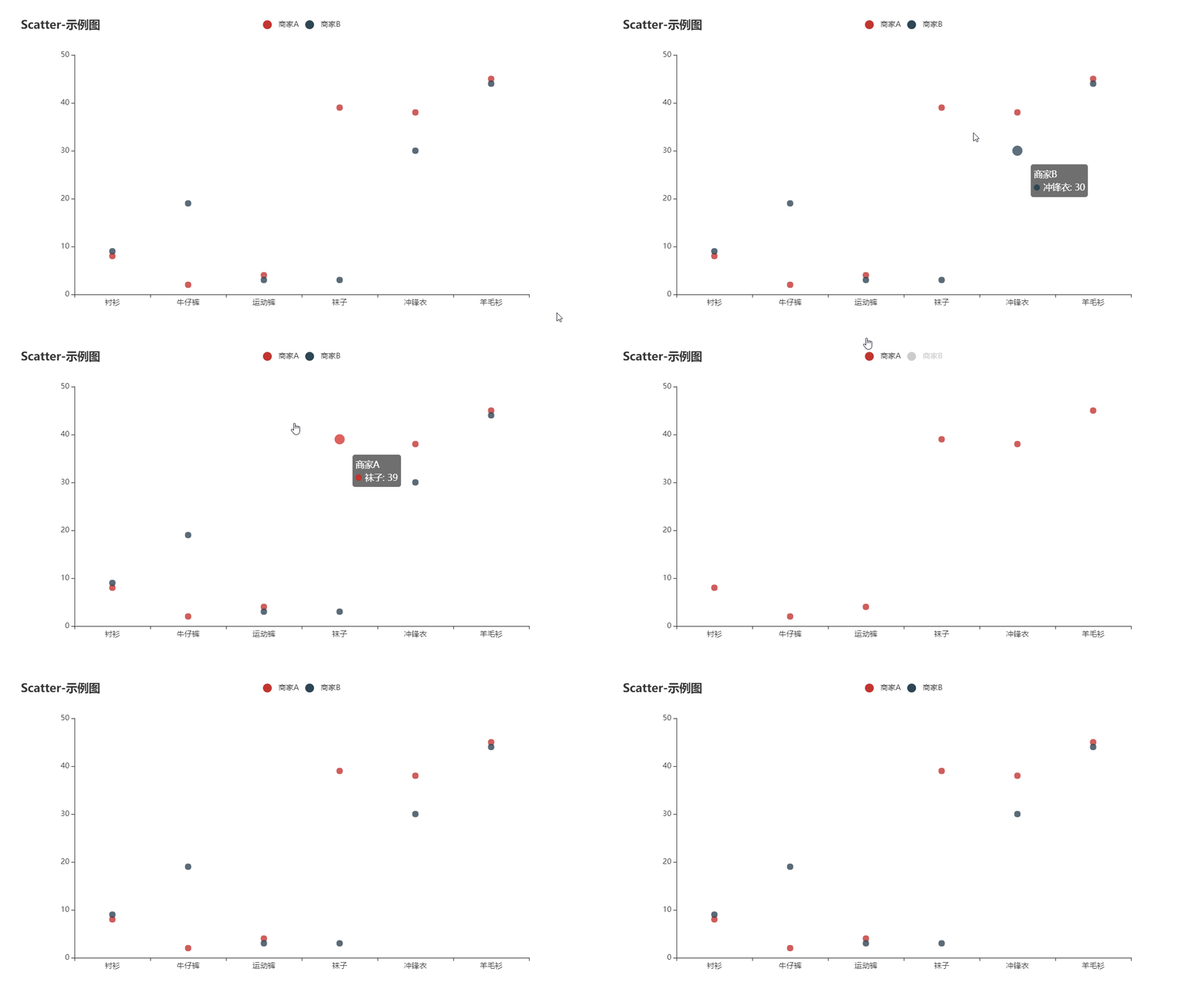
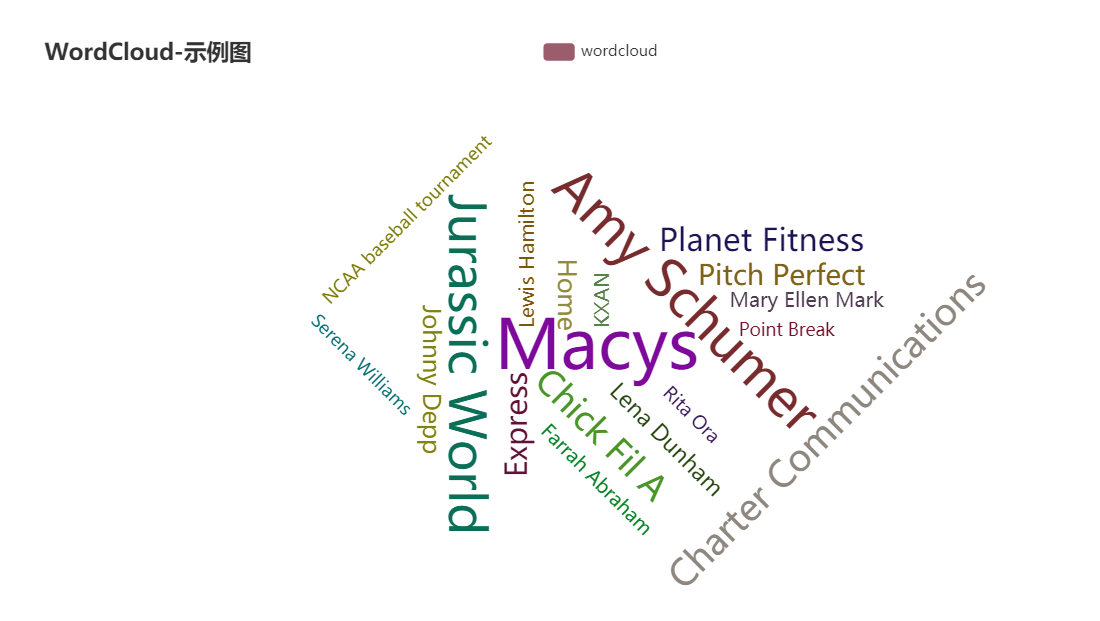
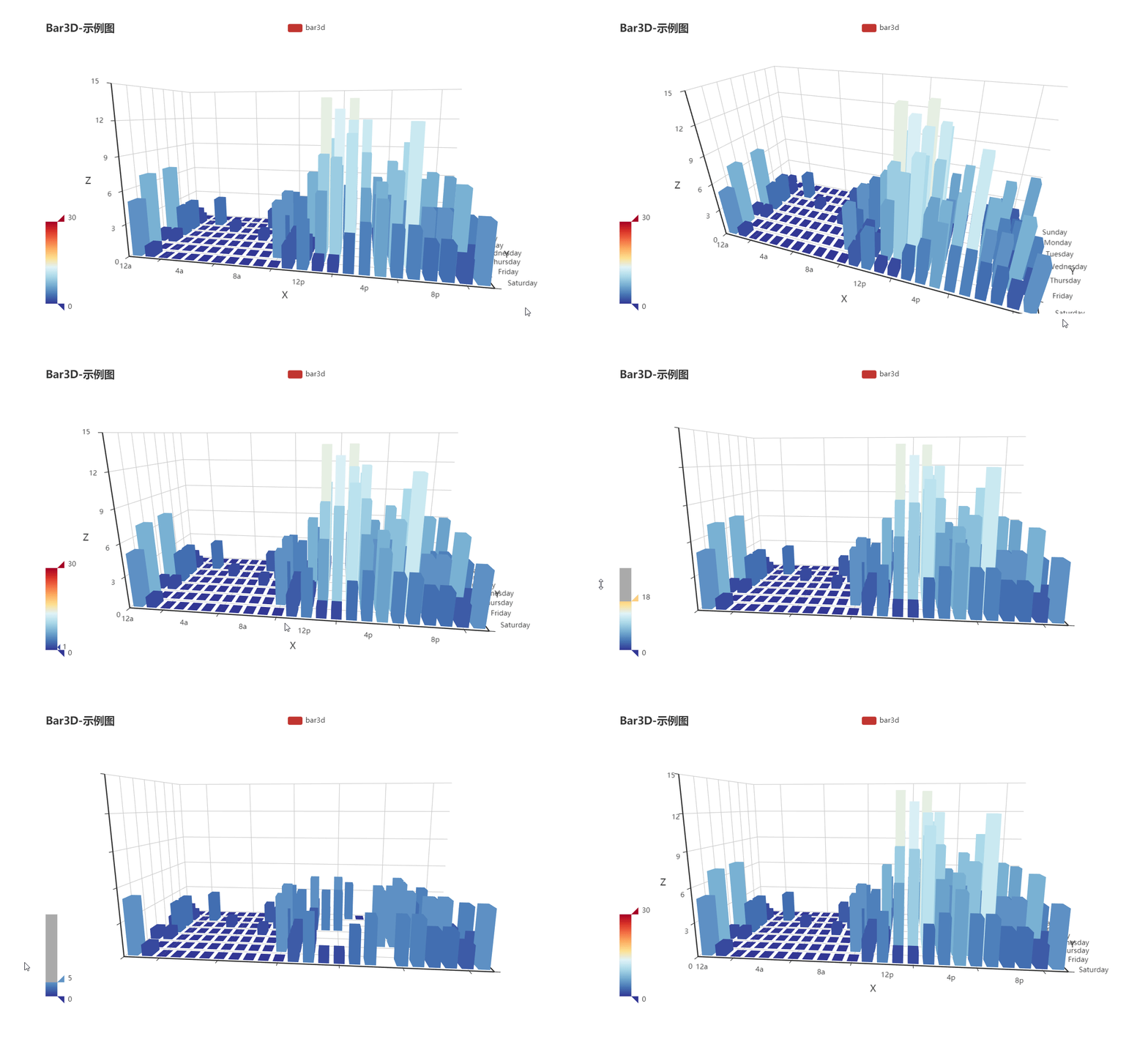
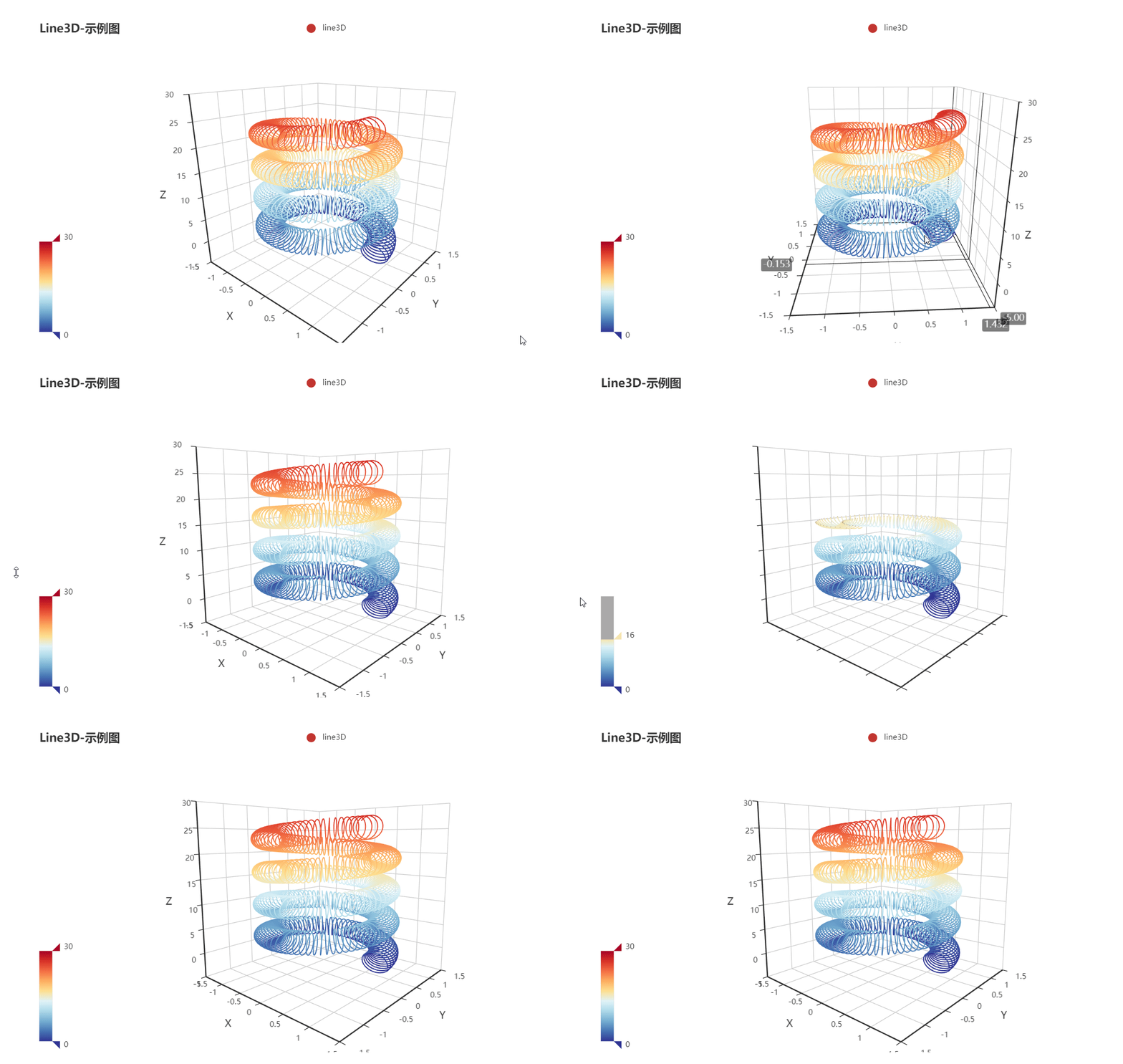
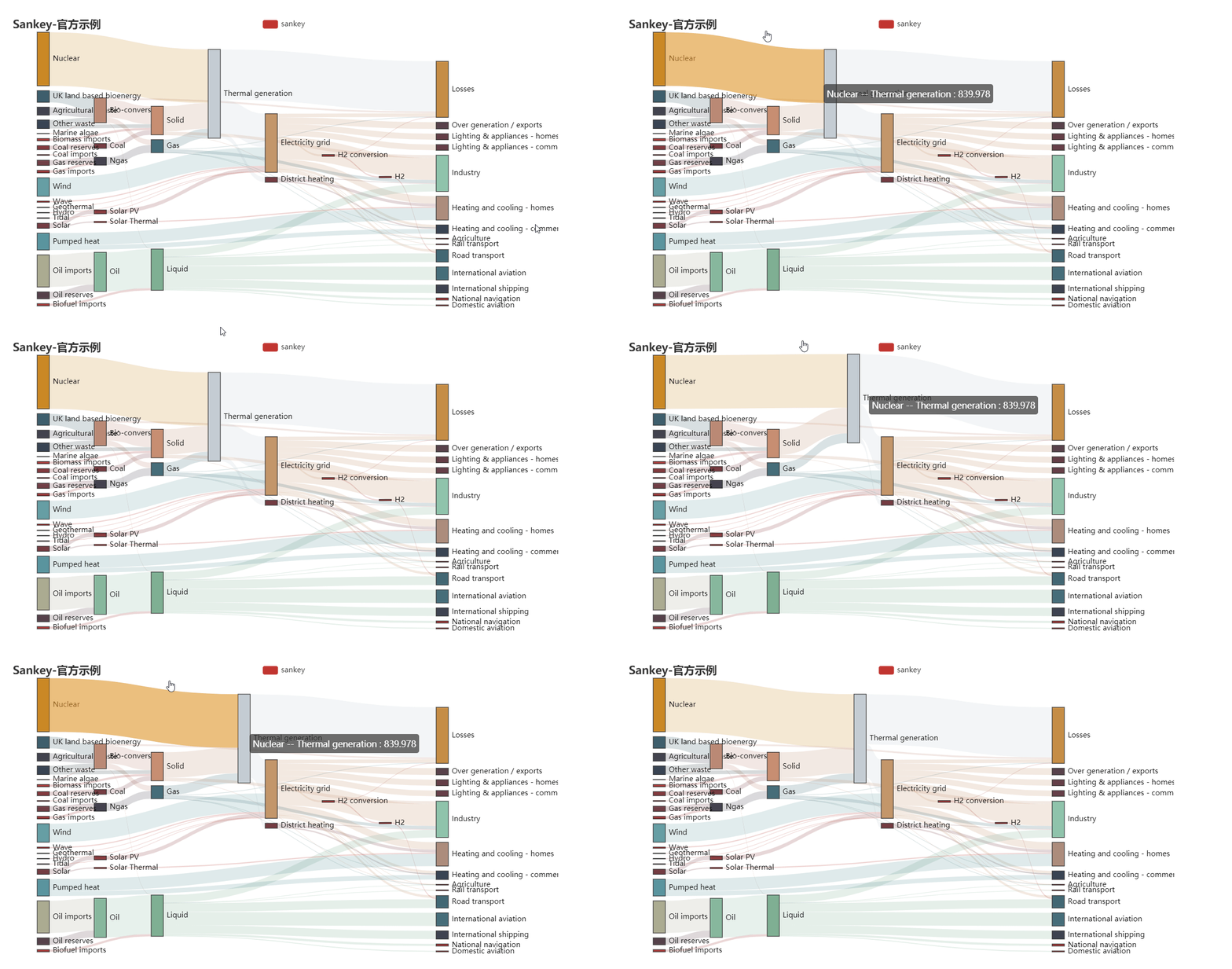
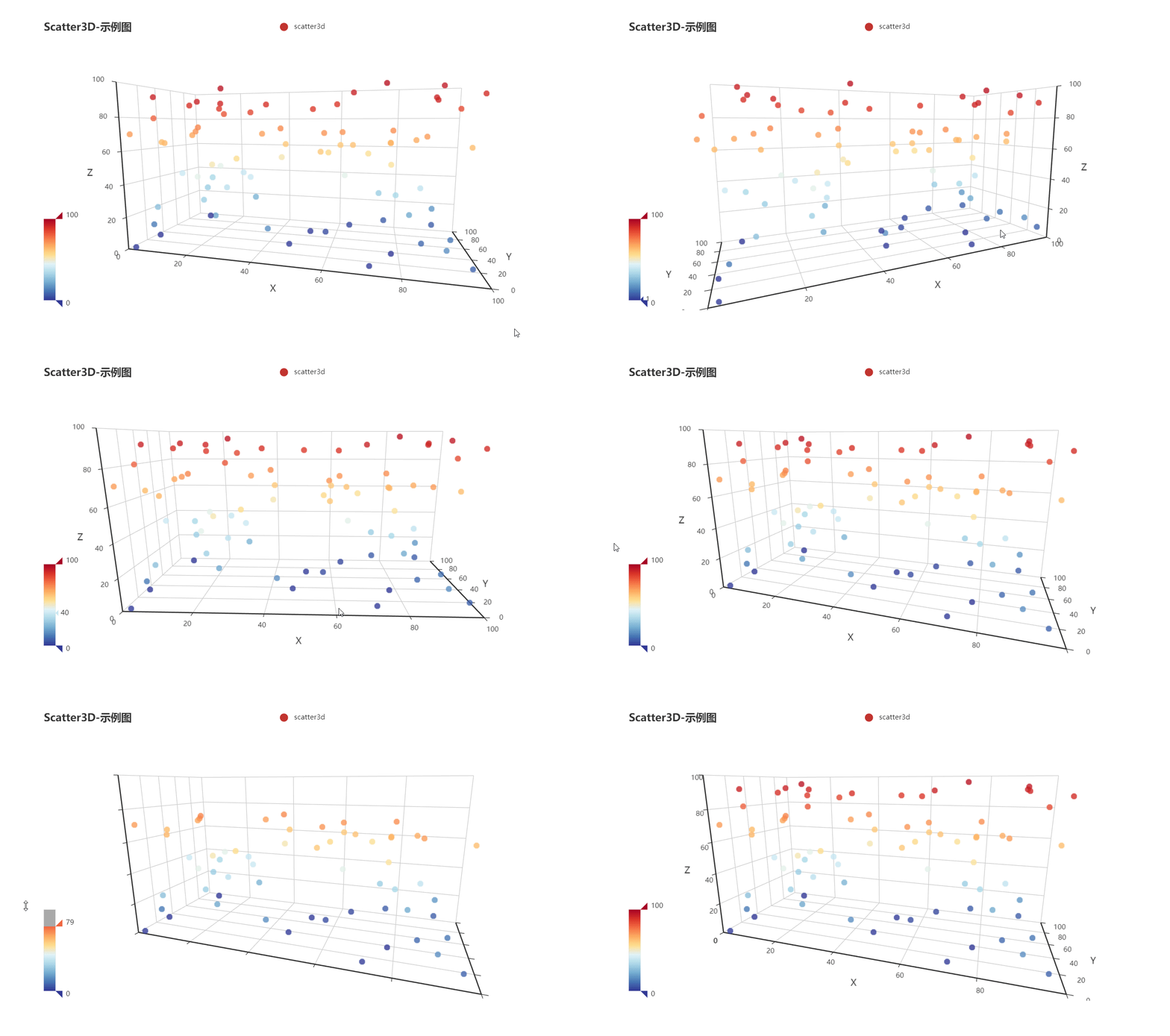
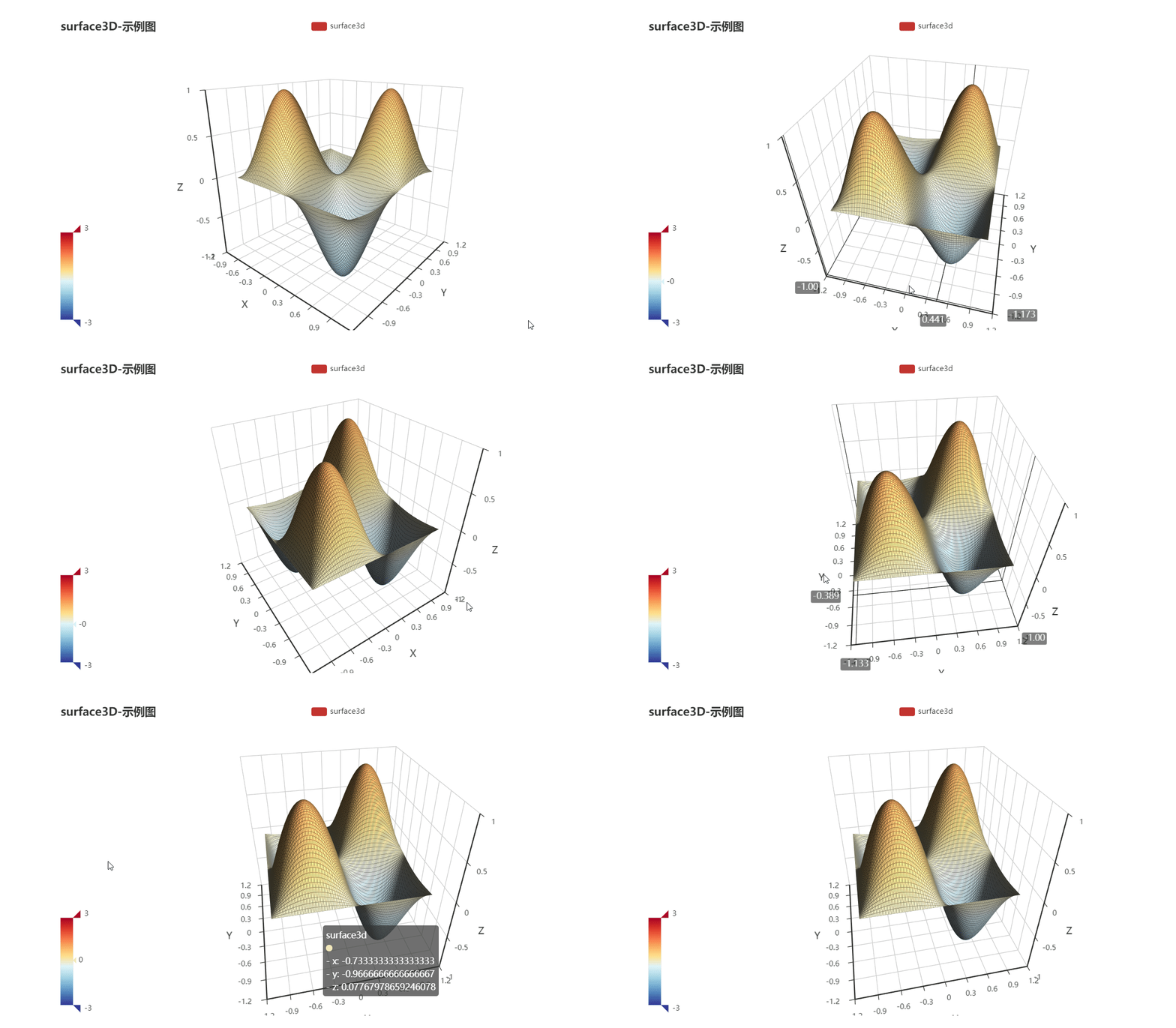
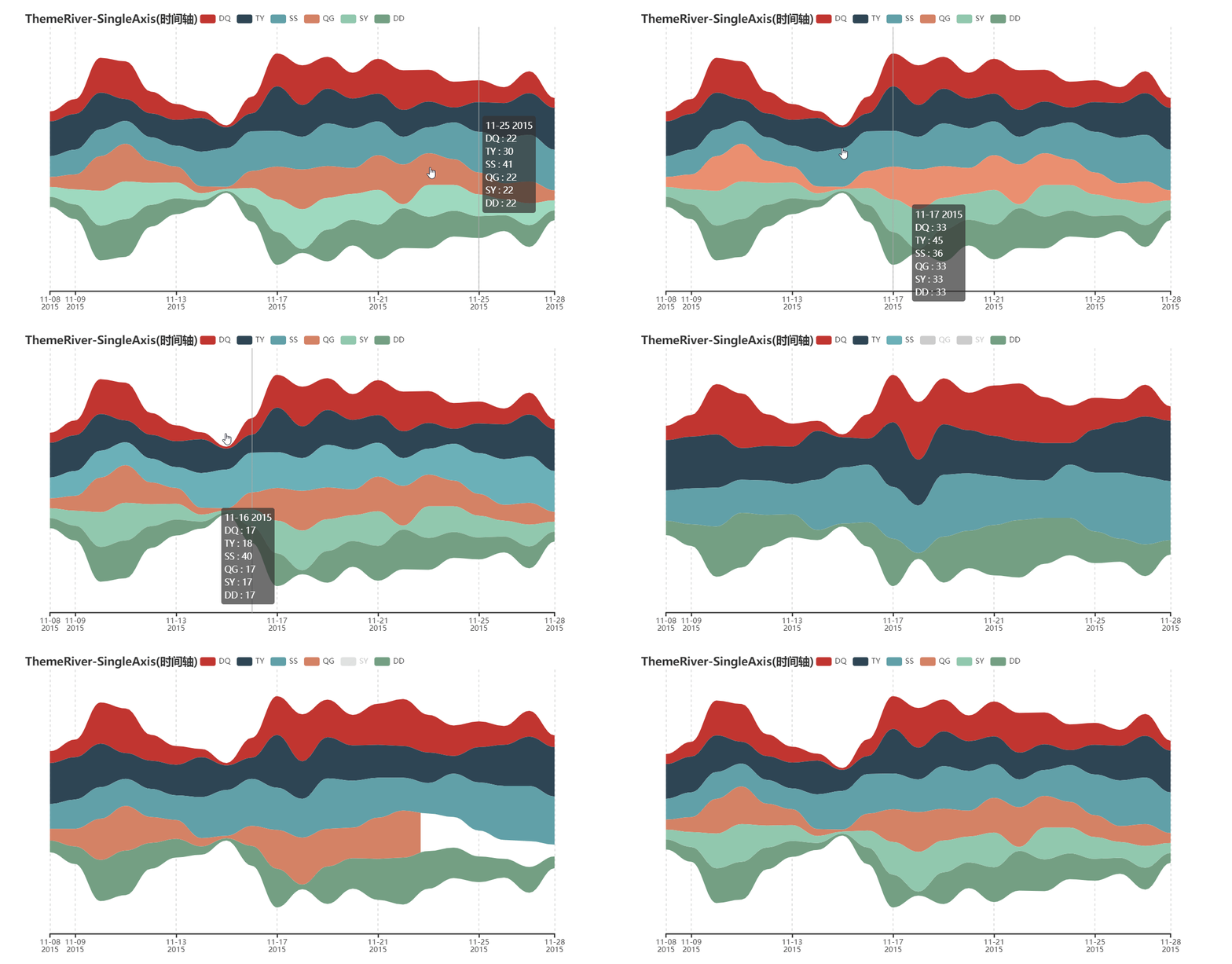
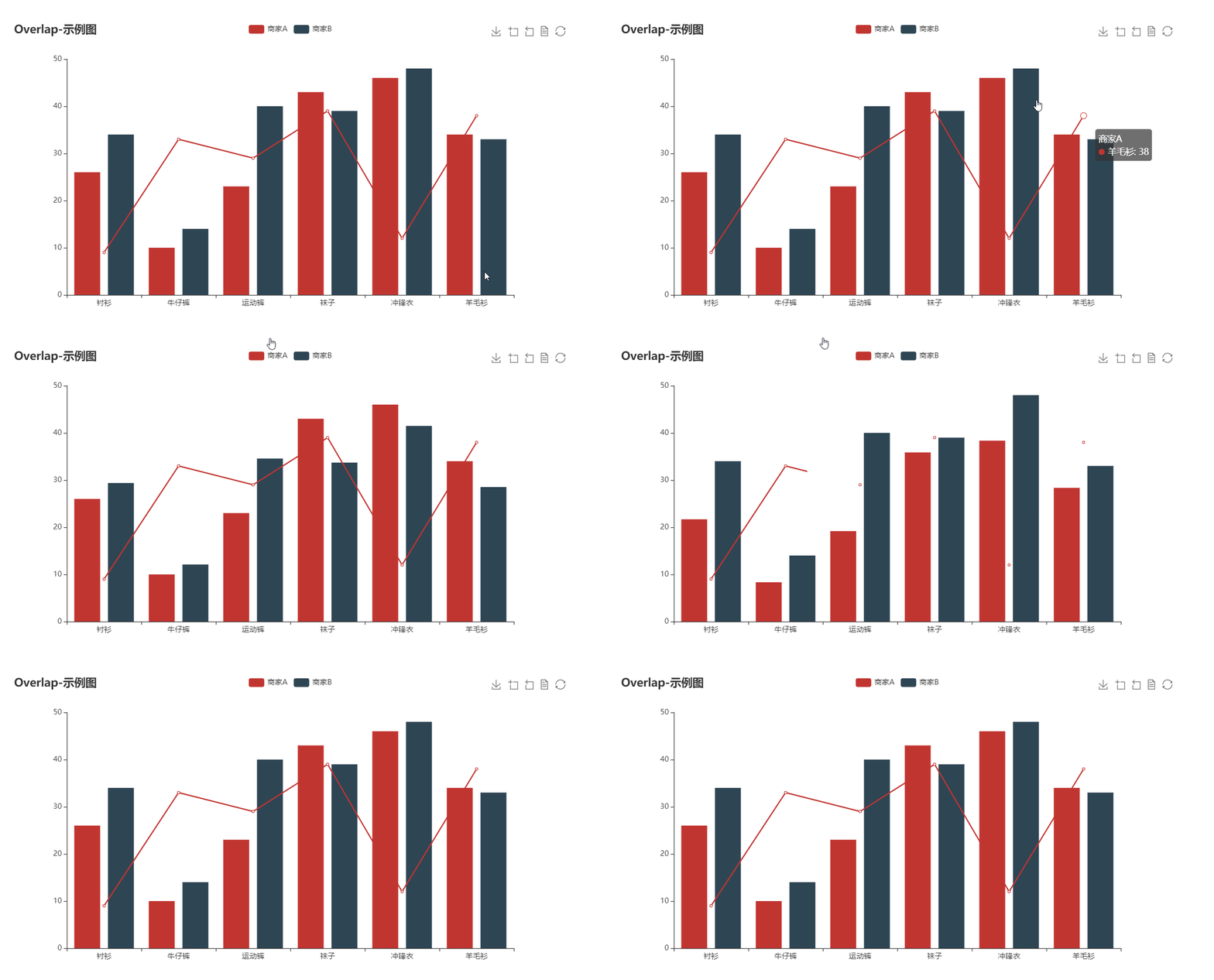
### 🔖 Gallery
For more information, please refer to [handbook](https://go-echarts.github.io/go-echarts/), [go-echarts/examples](https://github.com/go-echarts/examples) and
the [GoDoc](https://pkg.go.dev/github.com/go-echarts/go-echarts/v2).
### Ecosystem
> The section lists awesome projects which integrate with go-echarts specially.
- [templ](https://github.com/a-h/templ) A language for writing HTML user interfaces in Go.
### 💡 Contribution
go-echarts is an open source project and built on the top of other open-source projects.
Welcome all the kinds of contributions. No matter it is for typo fix, bug fix or big new features.
Please do not hesitate to ask a question or send a pull request.
We strongly value documentation and integration with other projects, so we are very glad to accept improvements for
these
aspects.
### ❤️ Contributors
### 📃 License
MIT [©go-echarts](https://github.com/go-echarts/go-echarts/blob/master/LICENSE)